🌿 Healthy Korean Food: Crunchy & Sweet Bomdong Whole Wheat Pasta (봄동 통밀 파스타) Recipe
Spring is in the air! Crunchy and Sweet Bomdong Whole Wheat Pasta 🌿 Hello! The weather has been getting quite warm lately, hasn't it?
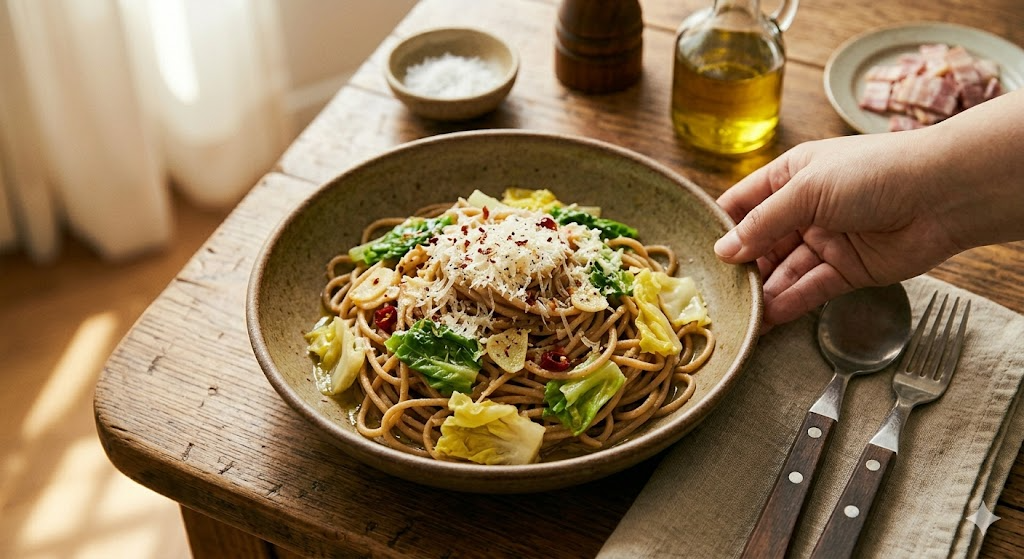
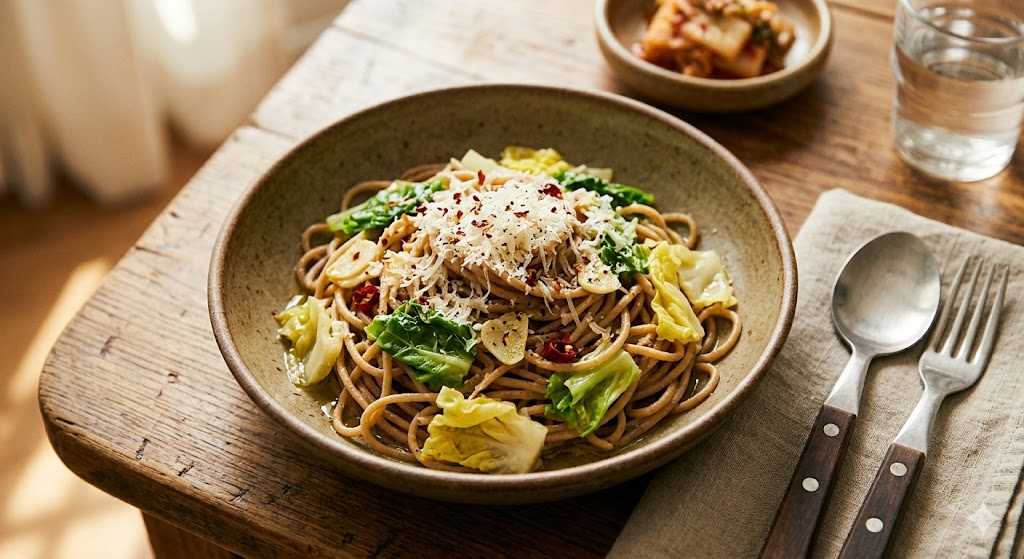
Spring is in the air! Crunchy and Sweet Bomdong Whole Wheat Pasta 🌿
Hello! The weather has been getting quite warm lately, hasn't it? I went to the market a few days ago and saw so much fresh, yellowish Bomdong (Korean spring cabbage). Grown through the winter, Bomdong is much sweeter and crunchier than regular cabbage, making it one of my absolute favorite ingredients. While it's usually enjoyed as a fresh salad (geotjeori), today I made something a bit more special: Bomdong Whole Wheat Pasta!
Actually, when my friends came over last weekend, I was brainstorming a healthy yet delicious menu and decided to pull the Bomdong out of my fridge. The nutty flavor of the whole wheat noodles paired so perfectly with the sweetness of the cabbage that my friends kept asking, "Is this from a restaurant?" as they cleared their plates in no time. I really want to share this recipe with you—it’s great for your health and truly wakes up your appetite! It’s seriously delicious, so please give it a try~
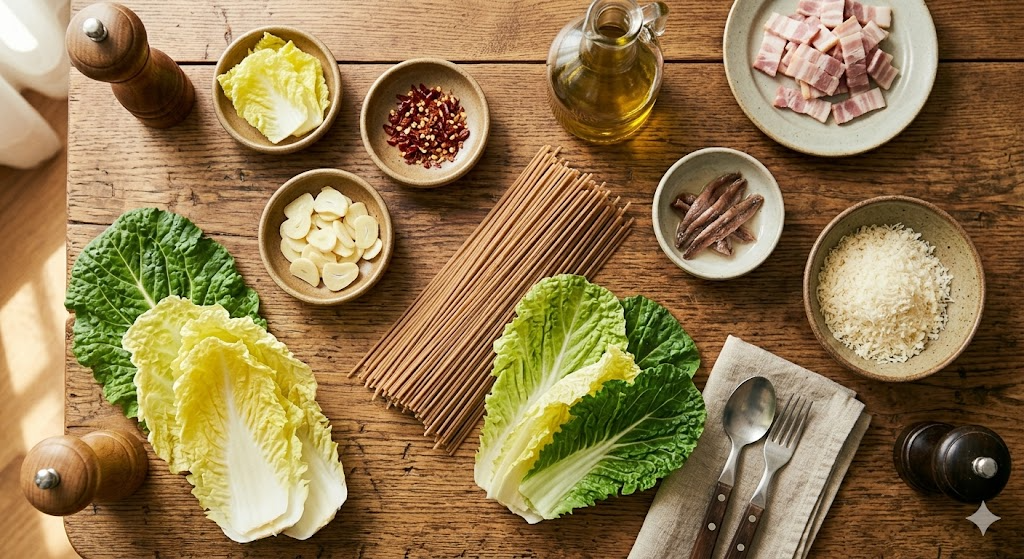
Ingredients (Serves 2)
The key to delicious home cooking is fresh ingredients! For Bomdong, look for heads that aren't too large and have a yellowish center—those are much sweeter. Whole wheat pasta is also fantastic for a healthy diet because it's richer in fiber than regular pasta.
- Essential Ingredients: 160~180g whole wheat pasta (approx. 2 servings), 1/2 head of Bomdong, 8~10 cloves of garlic, 3~4 dried peperoncino, plenty of extra virgin olive oil, salt, pepper
- Optional Ingredients (Flavor Boost!): 2 anchovy fillets (or 1 tablespoon tuna sauce), Grana Padano cheese powder, 2 slices of bacon (optional; skip for a vegetarian version)
💡 Cooking Tip: If you don't have anchovies, try adding a little fish sauce or tuna sauce. It creates an explosion of Korean-style umami that pairs perfectly with the cabbage. If you don't have whole wheat pasta, you can substitute it with regular spaghetti, but I highly recommend whole wheat for that unique, nutty flavor!
Cooking Process
Now, shall we start the Bomdong Whole Wheat Pasta recipe? Just follow these steps one by one, and anyone can complete a restaurant-quality dish!
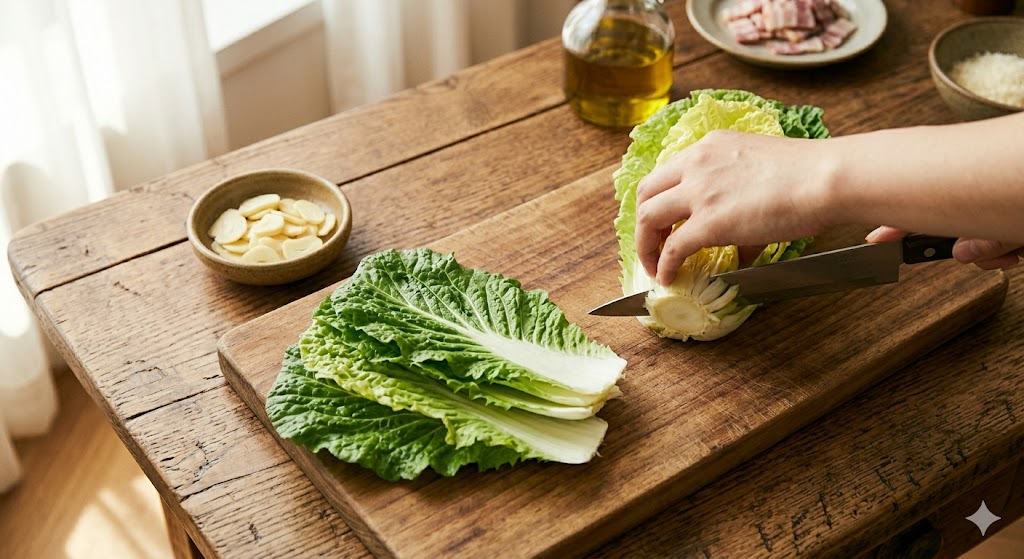
Step 1. Prepping the Ingredients First, cut off the root of the Bomdong and separate the leaves one by one. Wash them thoroughly under running water to remove any dirt, then shake off the excess moisture. Cut large leaves into 2-3 bite-sized pieces, but leave the small inner leaves whole for a prettier presentation. Slice the garlic thinly, and lightly crush the peperoncino by hand to release more of that spicy aroma.
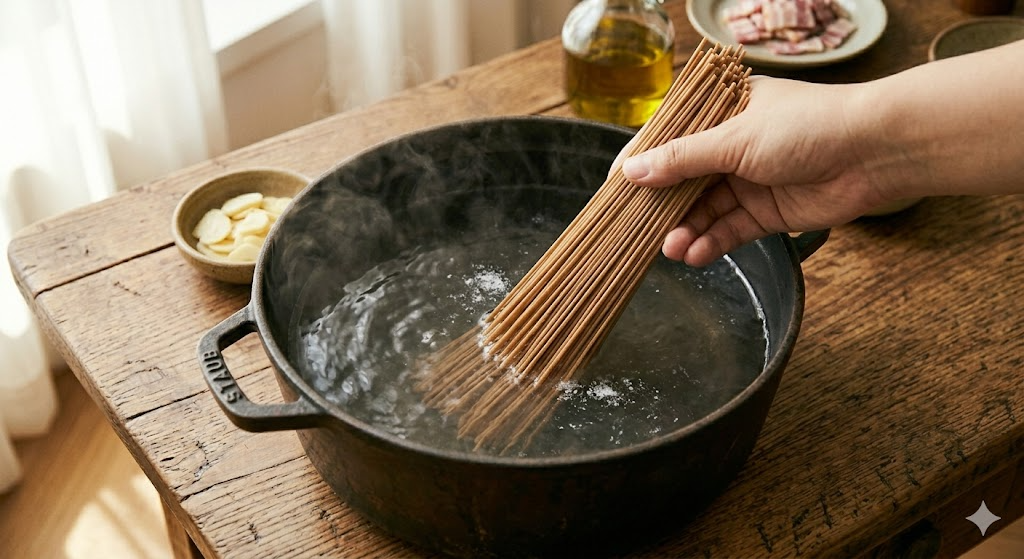
Step 2. Boiling the Whole Wheat Pasta Pour plenty of water into a pot, add 1 tablespoon of salt, and bring to a boil. Once the water is bubbling, add the whole wheat pasta. Whole wheat noodles take a bit longer to cook than regular ones. The trick is to boil them for 1-2 minutes less than what's written on the package! Since we'll be sautéing them with the sauce later, aim for an 'al dente' texture. Important: Never throw away all the pasta water! Be sure to save about 1 cup.
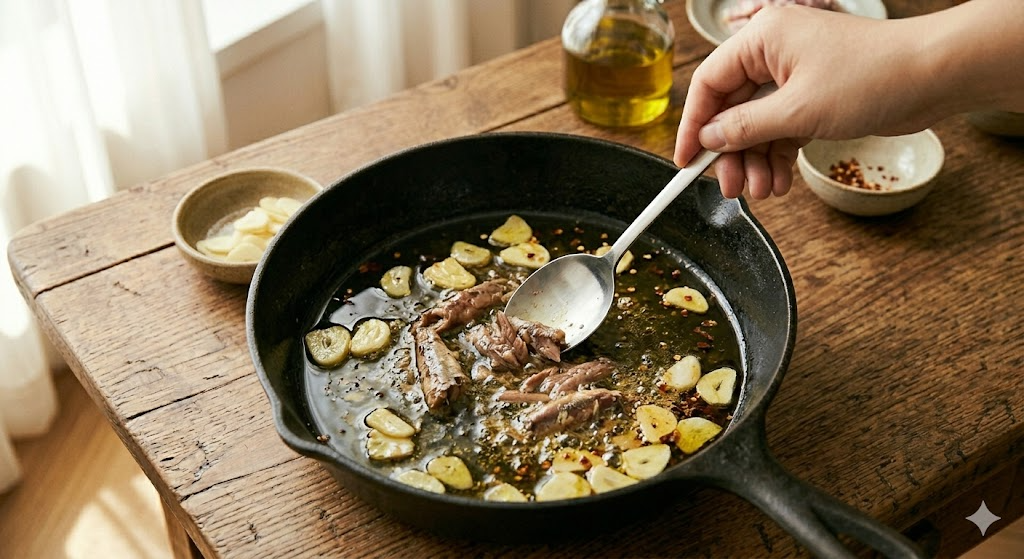
Step 3. Making Infused Oil Drizzle a generous amount of olive oil (about 5-6 tablespoons) into a heated pan. Sauté the sliced garlic over medium-low heat until it turns a light golden brown. Once the garlic aroma fills the air, add the peperoncino and anchovies (or tuna sauce). At this stage, use a spoon to crush and melt the anchovies as they fry; this infuses a deep umami flavor into the entire sauce.
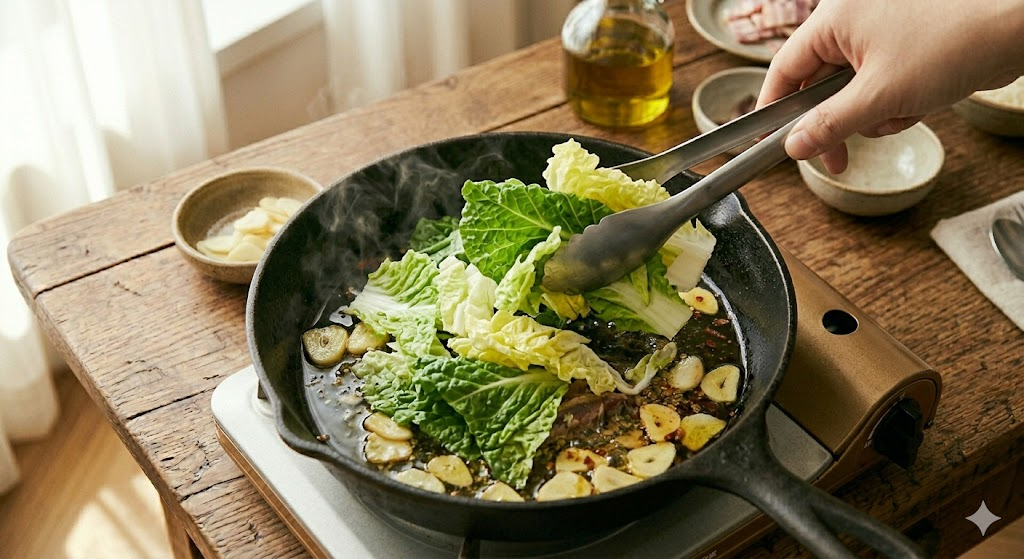
Step 4. Sautéing the Bomdong Once the garlic oil is ready, toss in the prepped Bomdong! It might look like a huge amount at first, but don't worry—it shrinks down as it wilts. Turn the heat up to high and sauté the cabbage quickly to maintain its crunchy texture. The key is to stop just as the cabbage wilts slightly and the green color becomes vibrant.
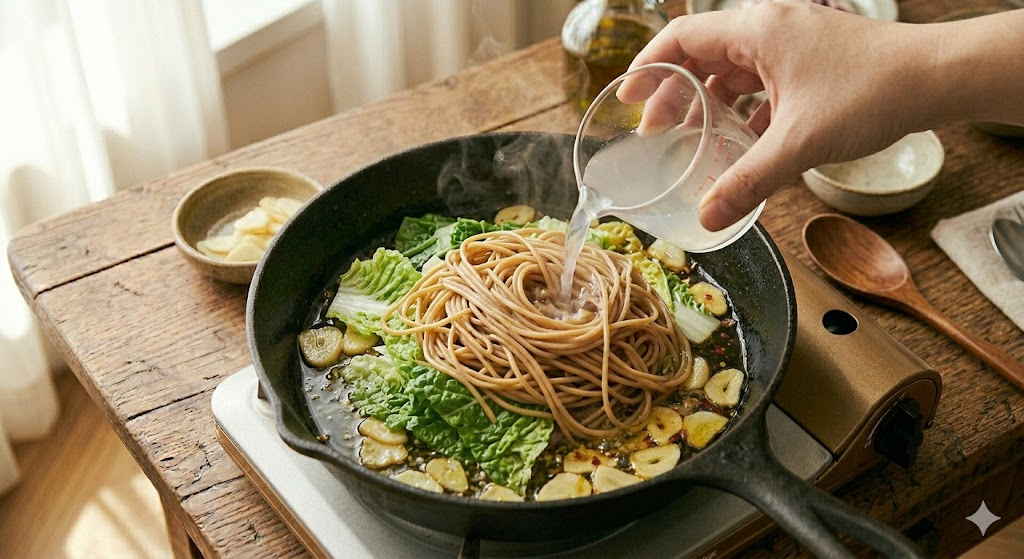
Step 5. Combining Pasta and Sauce (Mantecare) Add the boiled whole wheat noodles to the pan and pour in 1/2 cup of the saved pasta water. Maintain medium heat and stir quickly to marry the noodles with the ingredients. As the oil and water emulsify, they create a delicious, glossy sauce that clings to the noodles—a process called 'Mantecare.' If it feels too dry, add a little more pasta water to adjust the consistency.
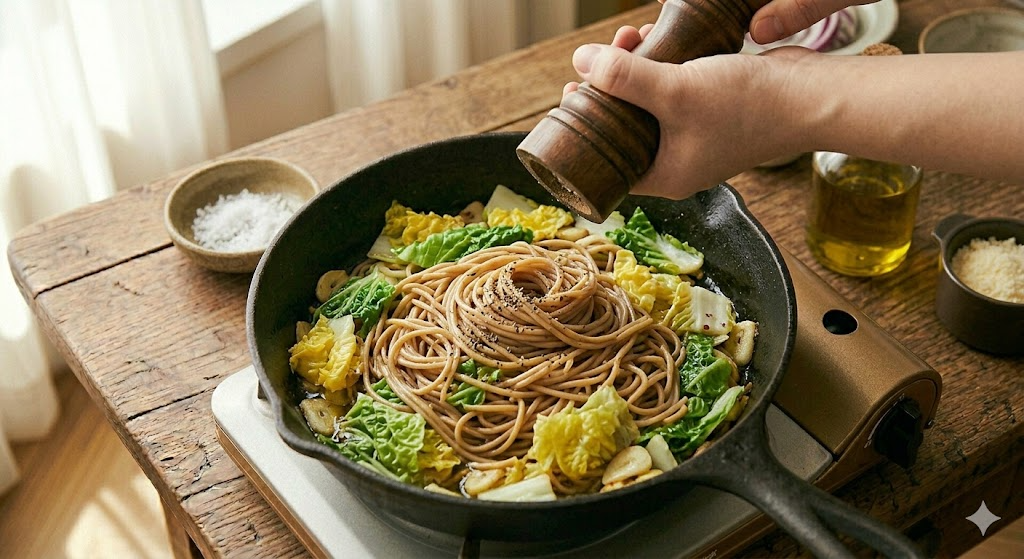
Step 6. Final Seasoning Finally, adjust the saltiness to your taste and finish with a generous grind of black pepper. Turn off the heat and drizzle one last circle of olive oil to maximize the fragrance. Top it off with plenty of cheese powder if you like, and you're done!
Plating & Serving
When serving, use tongs to twirl the noodles into a neat mound in the center of the plate, and pile the crunchy Bomdong leaves generously around them. Grate some Grana Padano cheese over the top like falling snow for a perfect visual! I recommend pairing this with a refreshing lemonade or a light white wine. The sweetness of the cabbage and the acidity of the wine create a truly fantastic harmony.
Honest Review & Wrap-up
Everyone, you seriously have to try this! The moment you take a bite, you'll find yourself saying, "Wow, I didn't know Bomdong worked this well in pasta." The slightly rustic, nutty texture of the whole wheat noodles meets the sweetness that emerges from the cabbage as you chew, creating a truly sophisticated flavor. It’s not overpowering, so kids love it too, and it’s elegant enough to serve as a guest meal.
Any leftover Bomdong can be wrapped in newspaper and kept in the fridge for about a week, but it's best to eat it as soon as possible when it's at its sweetest. Why not fill your table with this healthy and delicious seasonal dish tonight? I'll be back soon with another recipe using seasonal ingredients! If you have any questions, feel free to leave a comment~