Healing Korean Food: Gulgukbap (Korean Oyster Soup) Golden Ratio Recipe 🦪✨
Warm Soup Season is Here! A Healing 'Milk of the Sea' Meal: Gulgukbap (Korean Oyster Soup) Golden Ratio Recipe 🦪✨Hello everyone!
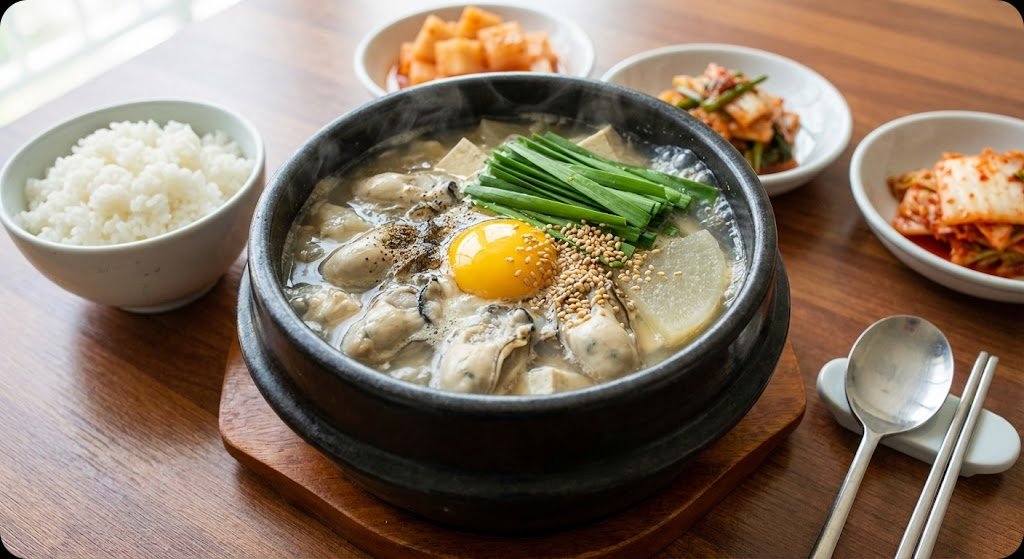
Warm Soup Season is Here! A Healing 'Milk of the Sea' Meal: Gulgukbap (Korean Oyster Soup) Golden Ratio Recipe 🦪✨
Hello everyone! Seriously, is this weather for real? 🥶 Since the temperature dropped so suddenly, it's been getting harder and harder to crawl out of bed every morning. In times like this, nothing beats a piping hot bowl of soup, right? Last weekend, some friends came over, and everyone was begging for some "hangover soup" after a night of drinks. That's why I prepared this ambitious menu: Gulgukbap (Oyster Soup with Rice)!
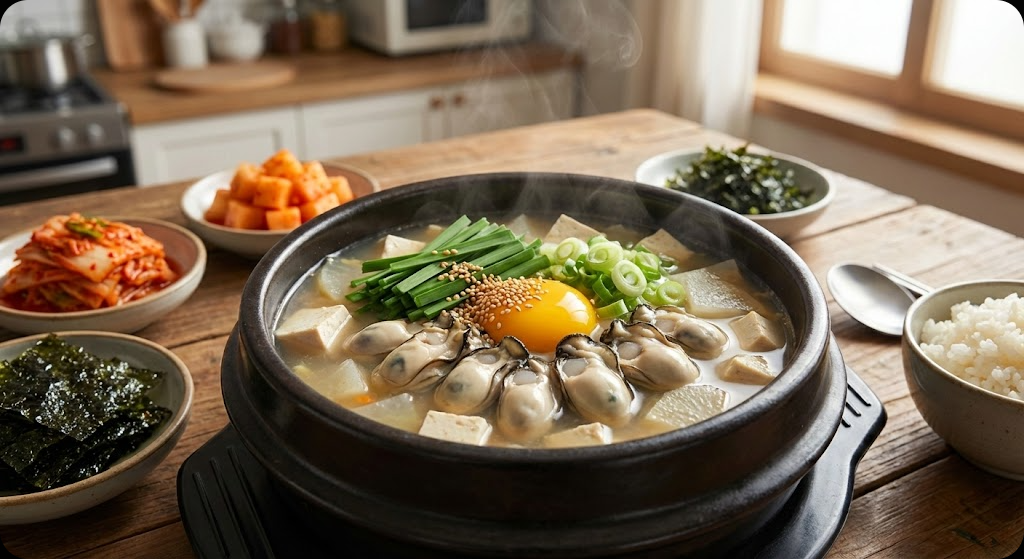
Oysters are currently in season, and they are so plump and juicy just looking at them makes me happy. They're packed with nutrition, often called the 'Milk of the Sea!' Many people hesitate to cook with oysters because they think cleaning them is difficult, but if you follow my Golden Ratio Recipe today, you can recreate that deep, refreshing restaurant flavor right at home. It’s the kind of taste that makes you go "Wow, this is incredible!" from the very first sip. Let’s get started! 💕
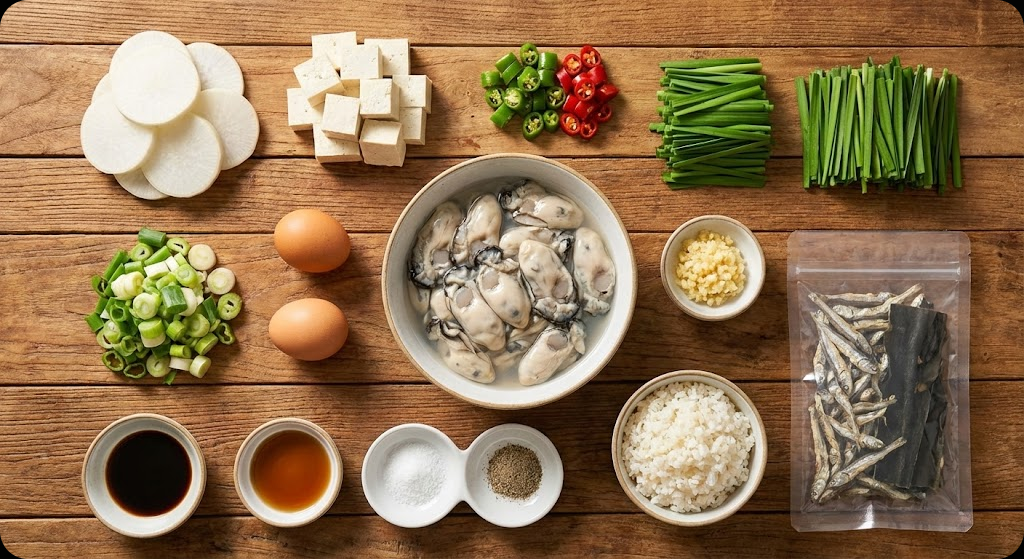
🛒 Ingredients (Serves 2)
The key to a delicious Gulgukbap is fresh ingredients! Pick up the freshest looking oysters you can find at the market.
- Essential Ingredients: 300g fresh oysters (about one full bag), 1/4 piece of Korean radish, 1/2 block of tofu, 1/2 stalk of green onion, a handful of chives, 1–2 Cheongyang chili peppers (or any green chili), 1.2L anchovy-kelp broth
- Seasoning: 1 tablespoon soup soy sauce, 1 tablespoon anchovy fish sauce (or tuna sauce), 1 tablespoon minced garlic, a pinch of salt, a dash of black pepper
- Optional: A handful of soaked seaweed, 2 eggs, 0.5 tablespoon sesame oil
💡 Cooking Tip! When choosing oysters, look for those with clear black edges and plump, firm bodies. If you're sensitive to the "fishy" scent of oysters, try adding a little cooking wine or ginger juice to the broth. It makes the flavor much cleaner!
👨🍳 Step-by-Step Cooking Process
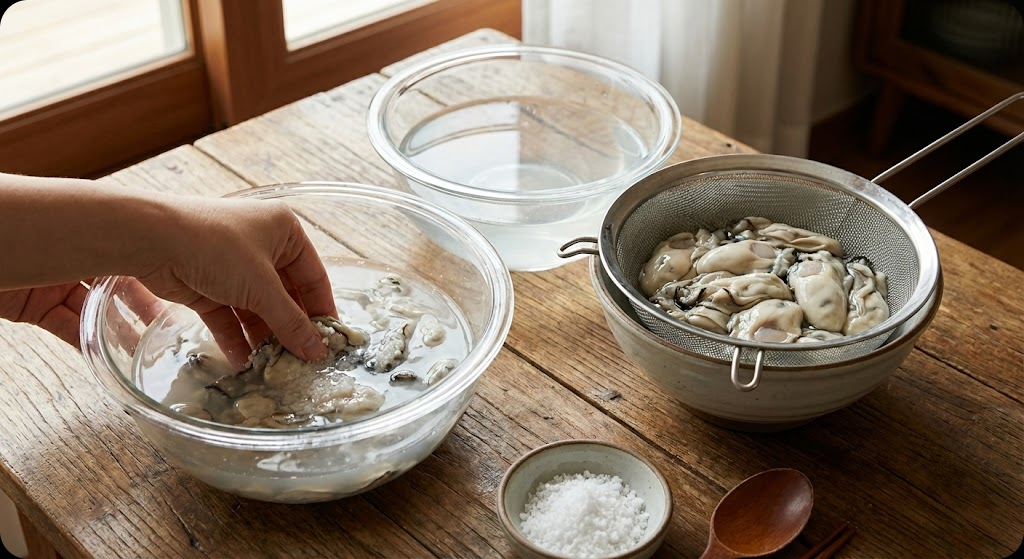
Step 1. Cleaning the Oysters (Most Important! ⭐⭐⭐⭐⭐)
You shouldn't just rinse oysters in plain water! Place the oysters in a bowl, add 1 tablespoon of coarse salt, and gently stir them with your hand. This helps remove impurities and tiny shell fragments. After that, rinse them lightly in cold water 2–3 times and drain them in a sieve. Be very gentle so you don't burst the oysters—treat them like a fragile baby!
Step 2. Prepping Vegetables and Broth
Thinly slice the radish into small squares (nabak-sseolgi style). This ensures it cooks quickly and releases its refreshing flavor into the broth. Cube the tofu into bite-sized pieces and cut the chives into 2-inch lengths. Finely slice the green onion and chili peppers. Simultaneously, boil anchovies and kelp in a pot to make a rich broth. A tasty broth is the secret to a deep, savory Gulgukbap!
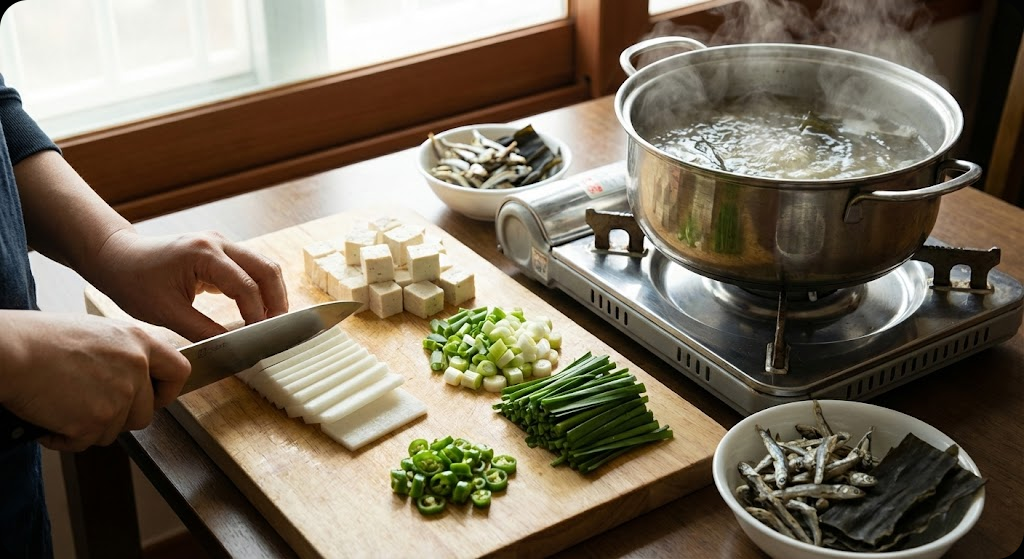
Step 3. Boiling the Radish for a Refreshing Base
Remove the solids from your prepared broth and add the sliced radish first. Boil until the radish pieces become translucent. Make sure to skim off any foam that rises to the top—this keeps the soup clear and clean. The point here is to simmer over medium heat to bring out the natural sweetness of the radish!
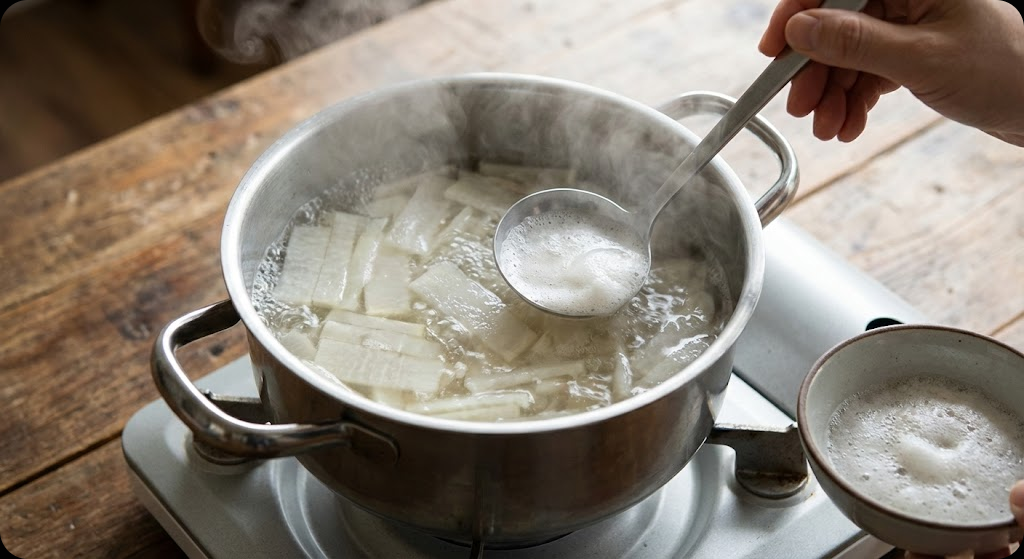
Step 4. Adding Oysters and Tofu
Once the radish is cooked, add your clean oysters and the tofu. Be careful not to overcook the oysters, or they will become tough and shrink! Simply wait until the soup starts to boil again after adding them. The savory scent of the sea will fill your kitchen—I'm getting hungry just thinking about it! 🤤
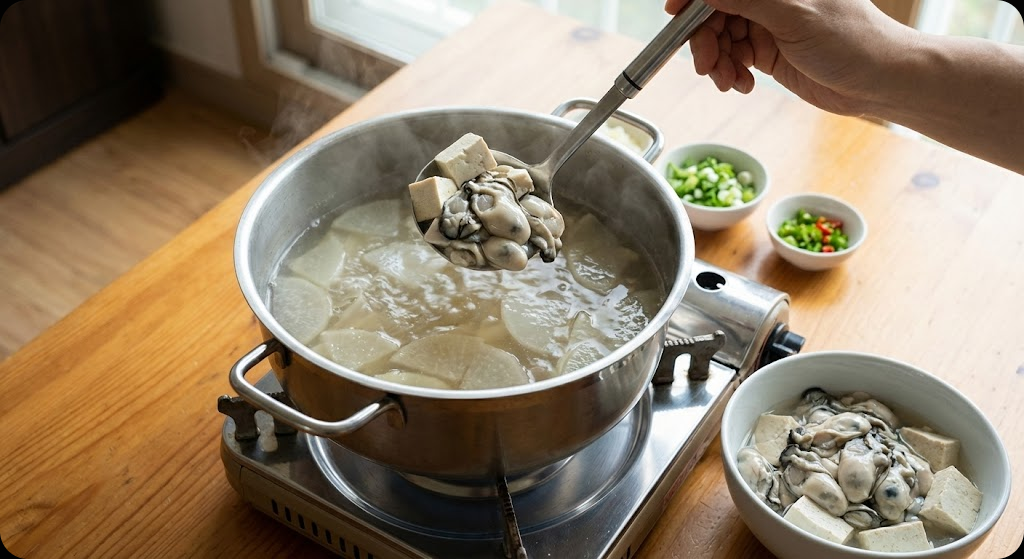
Step 5. Seasoning and the Secret Finish
Now it’s time for the Golden Ratio Seasoning. Add 1 tablespoon of soup soy sauce and 1 tablespoon of anchovy fish sauce for deep umami, then adjust the final saltiness with a bit of salt. Adding 1 tablespoon of minced garlic helps remove any remaining fishy notes and boosts the flavor. Finally, add the green onions and chili peppers for a spicy kick! I like to add a tiny drop of sesame oil at the very end to really elevate the aroma.
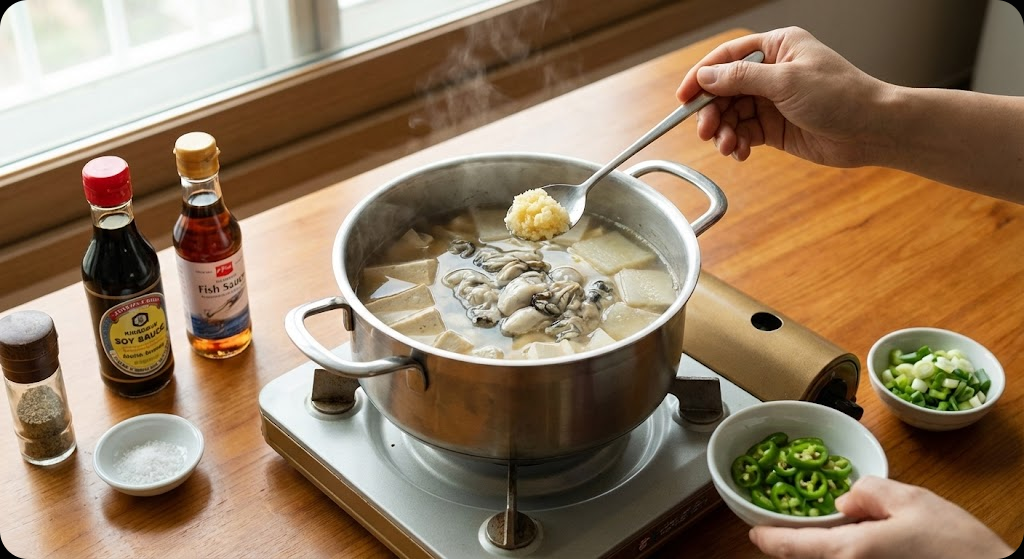
Step 6. Finishing Touches with Chives and Egg
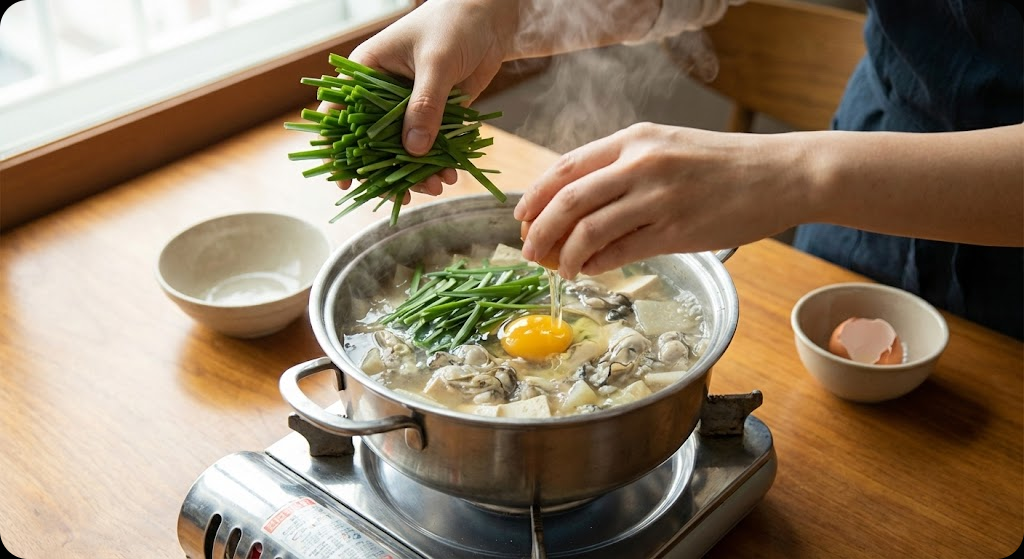
Right before turning off the heat, throw in a generous handful of chives. Chives should be cooked only by the residual heat to keep their crunchy texture and vibrant color. If you like, you can crack an egg into the center. If you prefer a clear soup, don't stir the yolk—let it cook whole. Now, transfer everything to a Ttukbaegi (earthenware pot) or a bowl, and you're done!
🍲 Plating & How to Enjoy
Gulgukbap tastes best when served in a Ttukbaegi! Serving it while it’s still bubbling makes it feel so hearty and comforting. You don't need many side dishes—just some well-ripened Kkakdugi (radish kimchi) or Geotjeori (fresh kimchi) will do. I also paired mine with some crunchy pickled onions, and the combination was incredible! Scoop up a big spoonful of rice soaked in soup, top it with a plump oyster and chives... it’s truly a bowl of healing.
✨ Honest Review & Closing
The Gulgukbap I made today was honestly legendary! The refreshing taste of the oysters, the sweetness of the radish, and the kick from the chili peppers blended so well that I couldn't leave a single drop of broth behind. My friends finished their bowls in no time and told me I should open my own restaurant! 🤣 You can store leftover soup in an airtight container in the fridge, but I recommend eating seafood dishes as soon as possible. (Though I doubt there will be any left!)
How about making Gulgukbap as a warm home-cooked meal this winter? Please try this recipe for yourself. It’s the perfect way to take care of your health and your taste buds at the same time. I’ll be back with more delicious and trendy recipes next time! Have a delicious day, everyone! Bye! 👋
Would you like me to translate any of your other food blog posts into English as well?